

As consumers continue to seek greater comfort and healthier sitting habits, the multifunctional seat cushion market is experiencing steady growth, with manufacturing processes constantly being improved and upgraded. Combining ergonomic design, material technology, and advanced production techniques, multifunctional seat cushions require precise manufacturing procedures to achieve high standards in comfort, durability, and overall performance.
The production of multifunctional seat cushions usually begins with product design and material selection. Manufacturers develop the shape, size, support structure, and functional features according to different usage scenarios and consumer needs. By applying ergonomic principles, designers optimize the cushion's curves and structure to better match the natural posture of the human body, improving support and comfort during use. Material selection is also a critical step, as appropriate fabrics, filling materials, and components must be chosen according to the product's intended purpose.
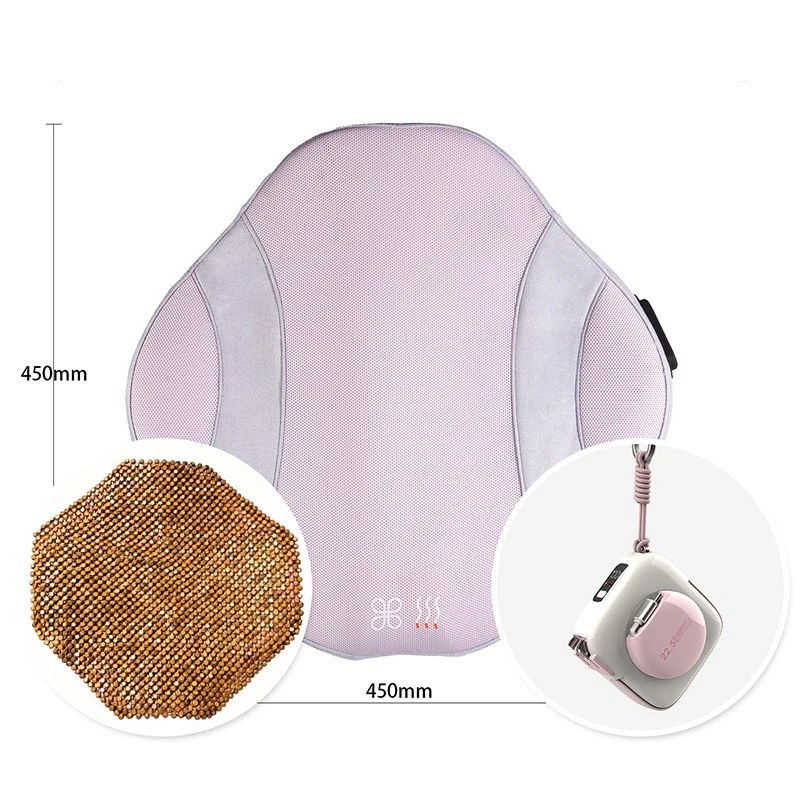
During the manufacturing process, the production of the cushioning layer is one of the most important stages. Based on the design requirements, materials such as foam, memory materials, and other cushioning components are precisely cut, shaped, and assembled to create an effective support system. Advanced processing technologies help maintain consistent material density, improve elasticity and resilience, and ensure long-term stability during daily use.
The production of the outer fabric layer is another key factor affecting product quality. Through cutting, sewing, and covering processes, the outer materials are carefully combined with the internal structure to create a complete seat cushion. During this stage, manufacturers pay close attention to details such as reinforced stitching, shape retention, and overall appearance. Some products also include additional features such as anti-slip bases, breathable designs, and removable covers to meet diverse consumer preferences.
After assembly, multifunctional seat cushions undergo strict quality inspections. Manufacturers conduct size checks, pressure tests, durability evaluations, and safety assessments to ensure that products meet required standards. Effective quality control improves product reliability and provides users with greater confidence during everyday use.
With the development of smart manufacturing technologies and innovative materials, the production processes of multifunctional seat cushions are moving toward greater automation, precision, and environmental sustainability. In the future, manufacturers will continue to improve product structures and production efficiency through technological innovation, delivering more comfortable, healthier, and higher-quality sitting solutions for consumers.
The manufacturing process of multifunctional seat cushions reflects not only advances in modern production technology but also the growing demand for improved living quality. Through continuous process optimization and innovation, multifunctional seat cushions are expected to achieve broader market opportunities in the future.